Scroll down to see what we’ve been up to.

Scroll down to see what we’ve been up to.


October 2025
Creating a brand that resonates with children and their families demands more than just colourful logos and playful fonts. It requires a nuanced understanding of how visual identity intertwines with emotional insight to capture young imaginations while reassuring parents. In 2025, successful children’s branding balances creativity with empathy, crafting experiences that are visually engaging, developmentally appropriate, and emotionally meaningful. This article explores how family and baby brands can harness this dual approach to build trust, foster loyalty, and stand out in a competitive marketplace.
Children’s cognitive and emotional development varies greatly from infancy through early adolescence. Effective visual branding takes these stages into account, using colours, shapes, and characters that appeal to specific age groups. For example, bright primary colours and simple shapes captivate toddlers, while older children respond to more sophisticated palettes and storytelling elements. This tailored approach ensures that visuals are not only attractive but also accessible and engaging.
A strong visual identity creates familiarity and comfort for children and parents alike. Consistent use of logos, mascots, typography, and colour schemes across packaging, digital platforms, and advertising builds brand recognition. For busy parents, this consistency signals reliability and quality, helping them make confident purchasing decisions amid a crowded market.
Parents are the ultimate gatekeepers in children’s purchasing decisions. Emotional insight into their hopes, fears, and priorities is essential for brands aiming to build trust. Messaging that acknowledges parental concerns, such as safety, education, and wellbeing, while celebrating the joys of childhood creates a powerful emotional bond. This connection encourages parents to engage with the brand beyond the product itself.
Children respond instinctively to emotions conveyed through branding. Characters that express warmth, curiosity, and playfulness invite children into a world where learning and fun coexist. Emotional resonance helps brands become part of children’s daily lives, fostering attachment and preference that can endure as they grow.
Narratives that combine appealing visuals with relatable emotions bring brands to life. Whether through animated characters, interactive apps, or storybooks, storytelling provides context that deepens engagement. For family brands, this means creating multi-platform experiences that invite children and parents to explore, learn, and connect together.
Modern children’s branding must reflect the diversity of families and experiences. Inclusive visuals and stories ensure all children see themselves represented, promoting empathy and social awareness. This commitment not only broadens appeal but also aligns with parents’ values, reinforcing brand integrity.
Branding for children’s audiences demands a sophisticated fusion of visual identity and emotional insight. By designing age-appropriate, consistent visuals and embedding genuine understanding of parental and child emotions, family brands can create compelling, trusted experiences that resonate deeply. This holistic approach not only differentiates brands in a competitive landscape but also nurtures lifelong connections with families navigating the joys and challenges of childhood together.

October 2025
In a world saturated with scrolls, swipes and digital distractions, family-focused brands face a growing challenge: how to create meaningful moments that truly connect. For modern parents navigating busy, tech-heavy lifestyles, attention is scarce, and authenticity is everything. That’s where experiential branding comes in. Far beyond traditional advertising, experiential branding invites people into immersive, emotion-led interactions. These are moments that move people. For parenting, baby and family brands, the aim is not just visibility, but resonance, designing real-world (and hybrid) experiences that reflect the highs, lows and heart of family life.
Modern families are bombarded by content from every direction. Social posts, app notifications, email newsletters, it’s a constant hum. In this landscape, simply appearing on a feed isn’t enough. Brands need to create experiences that make people stop, feel and remember. Experiential branding moves beyond surface-level messaging. It invites conversation, fosters community and earns trust. At its best, it creates a two-way connection where families feel seen, valued and included.
Great experiential branding doesn’t just entertain, it emotionally resonates. For brands in the parenting space, that means understanding the lived reality of your audience. What brings them joy? What do they worry about? What makes them proud?
Experiences that reflect these truths, whether through immersive storytelling, sensory engagement or interactive spaces, go far deeper than polished posts. They feel real. And that authenticity is what builds long-term loyalty.
Parents don’t just want polished perfection, they crave realness. Campaigns that acknowledge the messy, beautiful chaos of family life strike a powerful chord. Story-led installations, guided journaling spaces, or pop-ups that walk parents through milestone moments all create space for reflection and connection.
Whether it’s laughter, nostalgia or a sense of shared experience, storytelling can transform a branded moment into a memory.
Experiential doesn’t mean gimmicky. Done well, it’s purposeful and thoughtful. Gamified elements, such as collaborative tasks or digital rewards, can educate, inspire or comfort parents. Imagine a baby brand hosting a sensory play activation that teaches early development while offering moments of delight for children and reassurance for their caregivers. These moments shift the brand from vendor to valued ally.
Parents often juggle full schedules and limited flexibility. Hybrid branding experiences bridge the gap, offering on-site activations complemented by digital twins, livestreams or interactive platforms. This means parents can engage in the way that works best for them, without missing out.
It’s an approach that celebrates inclusion, while widening brand reach and deepening emotional access.
Experiential doesn’t stop at the event. Socially shareable moments, those joyful, Instagram-worthy touches, extend the impact far beyond physical spaces. Family-friendly installations, creative selfie spots, branded props and storytelling prompts give attendees something to talk about.
But it’s not just about going viral. When parents share experiences that felt valuable or validating, they become advocates, helping the brand grow authentically through word of mouth.
Today’s experiential campaigns are more intelligent than ever. Real-time analytics, captured via QR codes, engagement hotspots or feedback stations, can inform and refine experiences on the fly. From adjusting event flow to responding to audience mood, data allows for more dynamic, relevant brand moments.
When families share data, it must be handled with care. Parenting brands especially must hold themselves to the highest standards of transparency and consent. Prioritising data ethics isn’t just about compliance, it’s about trust. And in a sector where trust is everything, that matters.
Parents are increasingly values-driven in their brand choices. They want to see who you are, not just what you sell. Whether it’s championing sustainability, supporting maternal mental health, or creating inclusive play experiences, purpose-led activations resonate on a deeper level. When parents see their values reflected back to them, a transactional moment becomes a shared mission.
In a screen-filled world, genuine connection is a rare commodity, and a powerful opportunity. Experiential branding gives family and parenting brands the tools to stop broadcasting and start building relationships. By blending emotion, story, technology and purpose, these experiences leave lasting impressions that live well beyond the event. It’s not about flashy activations or one-off stunts. It’s about designing with care, empathy and intent, so families walk away not just remembering your brand, but feeling something for it.

October 2025
In the dynamic and often overwhelming world of parenting, brands strive to connect with families on a level far deeper than mere utility. For emerging family brands, capturing the hearts and minds of parents demands not just visibility, but an unwavering foundation of trust and genuine credibility. In this new era of communications, standing out is paramount, and one profoundly strategic avenue for achieving this is through the recognition offered by industry awards.
In the competitive parenting sector, authenticity is not merely a desirable trait; it is an absolute prerequisite for enduring success. Parents possess a discerning eye, readily identifying inauthentic marketing, and any message failing to align with their real-life experiences will inevitably fall short. Trust, therefore, becomes the ultimate currency for family brands seeking long-term relationships.
Successful parenting brands integrate themselves into the daily lives of families, offering reassurance, expertise, and solutions that genuinely matter. Their content prioritises informing, reassuring, and supporting parents over simply pushing products. When a brand highlights the challenges and joys inherent in parenting, it fosters a deeper emotional connection than a mere focus on product features. This is where awards offer profound validation, reinforcing a brand’s commitment to genuine value and understanding.
Winning a business award serves as a powerful third-party endorsement, significantly enhancing a company’s credibility. This external affirmation solidifies a brand’s expertise and the quality of its offerings, elevating consumer trust and making prospective clients and partners take your brand seriously. For an emerging family brand, such accolades are particularly impactful in establishing authority in a crowded market. The prestige associated with these awards can markedly elevate your brand image, creating a positive impression that deeply resonates with consumers when displayed across your marketing materials and website.
Beyond establishing foundational trust, securing industry awards offers tangible benefits that directly translate into heightened visibility and a formidable competitive advantage.
Winning awards translates into invaluable free exposure, reach, and publicity for your brand. Awarding bodies actively promote their programmes and winners, effectively extending your brand’s message to new, established audiences without direct advertising costs. This widespread, credible mention helps to distinguish your brand in a densely populated market, enhancing a positive perception among potential customers. For smaller businesses operating with more constrained marketing budgets, this organic increase in visibility is particularly advantageous.
In today’s saturated market, an industry award can be the crucial differentiating factor that tips the scales in your favour. Recognition from such awards is a significant consideration, ranking among the top five factors influencing B2B buying decisions. It adds an additional layer of trust, assuring potential clients of your brand’s capabilities and positioning you as a thought leader in your field. This distinction allows emerging family brands to cut through the noise and capture attention effectively, ultimately helping them stand out.
The strategic value of industry awards extends beyond external perception, profoundly impacting internal dynamics and guiding future development.
Being part of an award-winning team can significantly boost employee morale and motivation. Employees who are proud of their workplace are often more inclined to demonstrate loyalty and strive for greater impact. External recognition through awards serves as a powerful opportunity for team members to feel a deeper connection to a company that is truly making a difference. Furthermore, an award-winning reputation makes a company highly attractive to top talent, providing a crucial advantage in recruiting and retaining skilled professionals, even against larger competitors.
A less obvious yet highly beneficial aspect of awards is their capacity to help define new goals based on specific criteria. The application process itself can serve as a valuable exercise, prompting brands to assess their strengths and identify areas for improvement. By aligning internal objectives with the criteria of desired awards, brands can set new targets for their teams, fostering a collective drive towards excellence and continuous advancement.
Ultimately, the strategic pursuit of industry awards isn’t just about prestige; it yields tangible financial returns that significantly bolster a brand’s bottom line.
Award-winning companies frequently experience a notable increase in sales, with some reports indicating a 15% rise within the first year of receiving an award. This direct impact stems from the heightened brand visibility and enhanced credibility that awards provide, which in turn leads to greater consumer trust and, consequently, increased purchasing. The strategic placement of award badges on product packaging and websites has also been shown to positively influence consumer buying decisions, serving as a powerful visual cue of quality and reliability. For small businesses, award wins can even translate into a substantial increase in operating income, demonstrating a clear return on investment.
For a next generation PR and digital marketing agency, understanding the nuances of how awards intersect with broader communication goals is paramount. Our extensive experience in the family industry means we create captivating campaigns and secure widespread coverage in an ever-evolving communications landscape.
Effective public relations, particularly in the parenting sector, hinges on telling a compelling story that deeply resonates with parents and positions a brand as a trusted resource. Whether it’s showcasing a product’s real-world benefits or illuminating the intimate moments a brand becomes a part of, storytelling connects on an emotional level. Awards, in essence, provide a powerful narrative arc for your brand. Our expertise lies in transforming your brand’s inherent value into award-winning stories, meticulously crafting entries that highlight your unique impact and mission.
We specialise in identifying precisely which awards will confer the most value upon your brand, and we possess the acumen to craft the compelling entries necessary for success. Our approach extends beyond traditional PR, encompassing integrated campaigns that leverage influencer marketing, social media engagement, and data-driven insights to ensure brands remain relevant and top-of-mind. This data-backed methodology ensures that every campaign, from media relations to influencer partnerships, delivers measurable results, refining strategies for long-term growth. We focus on authentic brand messaging and genuine, values-driven storytelling, helping your brand stand out and foster lasting consumer trust with modern families.
In the intricate tapestry of the parenting market, cultivating profound trust and credibility is not a destination but an ongoing journey. While experiential campaigns, rich with authentic storytelling, offer a direct pathway to parents’ emotional journeys, the powerful third-party validation of strategic industry awards provides an essential bedrock. By securing such accolades, emerging family brands can significantly boost their credibility, expand their reach, strengthen internal teams, and drive tangible sales, thereby amplifying the impact of every other marketing and PR effort. This holistic approach ensures your brand not only stands out but becomes a truly cherished and trusted partner in the intimate landscape of family life.

October 2025
In the vibrant, ever-evolving landscape of the parenting market, securing a profound connection with families hinges on far more than just product features. It demands unwavering trust and unquestionable credibility, elements that truly cement a brand’s place in daily family life. For companies navigating this dynamic space, standing out amidst the clamour requires a strategic edge, a means to not only gain visibility but to foster genuine loyalty. This is where the strategic pursuit of parenting awards comes into its own.
In an industry where consumer choices are deeply personal and trust is paramount, an external validation holds immense weight. Awards are not merely accolades; they are powerful endorsements that transcend traditional advertising, speaking volumes about a brand’s excellence and integrity.
Imagine your brand, backed not by your own marketing claims, but by an impartial, respected industry body. This is the inherent power of a business award. Such recognition serves as a third-party seal of approval, significantly elevating consumer confidence and affirming your company’s expertise and service quality. Studies reveal the tangible impact: award-winning small businesses can experience a remarkable 63% increase in operating income, with larger companies seeing a substantial 48% rise. This external validation is a game-changer, establishing your brand as a proven leader and encouraging prospective clients and partners to take your offerings seriously.
Beyond the initial prestige, securing an award unlocks a wealth of free exposure and publicity. The publications and platforms that host these awards actively market their programmes and winners, effectively extending your brand’s reach to their established audiences without direct advertising costs. This organic amplification means your brand gains visibility in trusted media channels, often leading to valuable press releases, interviews, and feature articles. The strategic benefit is clear: widespread, credible mentions that build a positive perception, distinguishing your brand in a crowded marketplace.
While the external validation is undeniably potent, the value of parenting awards extends far beyond public recognition. They act as catalysts for internal growth, inspire strategic clarity, and deepen the vital bond of trust with your audience.
The parenting sector thrives on authenticity and a deep understanding of families’ needs and emotions. Awards inherently contribute to this by showcasing genuine achievement. When a brand is recognised for its contributions, it builds a foundational trust that resonates with parents seeking reliable solutions and reassurance. This aligns perfectly with the impact of user-generated content, where real-life experiences shared by parents add an unparalleled layer of authenticity and foster a sense of community around your brand. It’s about demonstrating that your brand doesn’t just sell products; it genuinely understands and supports the parenting journey.
The ripple effect of an award win extends directly to your team. Being part of an award-winning organisation instils immense pride and strengthens employee morale, fostering loyalty and a shared drive to make a difference. This collective sense of achievement not only boosts retention rates but also makes your brand significantly more attractive to top talent in the competitive recruitment landscape. An award-winning culture is a magnet for those who aspire to contribute to acknowledged success.
Awards often come with detailed criteria, providing a unique framework for identifying new areas of focus and setting ambitious organisational goals. This process encourages a deep dive into your brand’s capabilities and aspirations, allowing you to align your efforts towards achieving specific benchmarks of excellence. It transforms the pursuit of recognition into a powerful internal strategic exercise, ensuring continuous improvement and innovation within your brand.
At Azaria PR, we understand the nuances of the family industry and the transformative power of strategic communication. We are a next generation PR & Digital Marketing Agency for a new era of communications, crafting captivating consumer campaigns and securing widespread coverage. Our integrated approach ensures your brand’s story is not just told, but truly heard and celebrated.
Our expertise goes beyond mere application writing; we strategically identify the awards that will bring the most value to your specific brand, meticulously preparing entries that highlight your unique story and impact. We leverage our deep relationships with media outlets and industry bodies to ensure your achievements gain the recognition they deserve across digital, print, TV, and radio platforms.
By combining the best of public relations with cutting-edge digital marketing, including influencer partnerships and social media engagement, we ensure your award-winning message reaches the right audiences at precisely the right moment. Our data-driven strategies allow us to measure the quantifiable impact of this recognition, refining approaches to ensure optimal long-term growth and return on investment. We focus on authentic storytelling that connects with modern families, positioning your brand as a must-have for parents and caregivers.
In the intricate world of parenting brands, establishing trust and credibility is an ongoing journey. Strategic award recognition offers a powerful shortcut, providing a third-party validation that resonates deeply with discerning consumers and invigorates your internal team. By leveraging awards, your brand can not only achieve greater visibility and a competitive edge but also forge stronger, more authentic connections with the families you serve. Partnering with an agency that understands how to harness this potential is key to unlocking new heights of success and cementing your brand’s position as a truly trusted leader in the family market.

October 2025
In the competitive world of family marketing, capturing parents’ attention requires more than just informative content, it demands immersive experiences that connect on an emotional level. Parents navigate a complex journey filled with joy, anxiety, discovery, and growth, and experiential campaigns that authentically reflect these emotions can create lasting bonds between brands and families. This article explores how baby, parenting, and family brands can design experiential marketing that truly resonates with parents, turning fleeting moments into meaningful memories.
Parenthood is a deeply personal and evolving experience. From the anticipation of pregnancy to the challenges of toddlerhood and beyond, parents seek reassurance, support, and connection. Campaigns that acknowledge these stages and the accompanying emotions, whether excitement, vulnerability, or pride, build empathy and trust.
Research shows that emotionally charged brand activations are nearly twice as effective as those relying solely on rational appeal. Parents who feel understood and valued are more likely to become loyal customers and advocates, sharing their positive experiences within their communities.
Advances in AI and interactive technology enable brands to create personalised, emotionally intelligent experiences. For example, AI-powered installations can adapt to participants’ moods or preferences, making each interaction feel unique and relevant. These innovations help family brands foster genuine connections beyond traditional advertising.
Campaigns that engage multiple senses, sight, sound, touch, and even smell, immerse parents in the brand story. Whether it’s a pop-up event recreating a nursery environment or a virtual reality experience simulating a child’s developmental milestones, multi-sensory activations leave a deeper impression and invite emotional participation.
Incorporating gamified elements encourages active involvement while educating or entertaining parents. Thoughtfully designed challenges or interactive workshops can transform routine brand interactions into memorable adventures, aligning with family values and fostering positive associations.
Experiential campaigns should tackle genuine challenges parents face, such as sleep routines, nutrition, or early learning, by offering practical solutions within engaging formats. For instance, live demonstrations or expert Q&A sessions embedded in events provide immediate value and build credibility.
Parents come from diverse backgrounds and experiences. Successful campaigns prioritise inclusivity, ensuring all families feel welcomed and represented. This approach not only broadens reach but also strengthens emotional resonance.
Baby product companies, parenting service providers, family lifestyle brands, and healthcare organisations can all harness experiential marketing to deepen relationships with parents. These campaigns solve the problem of disconnection in a saturated market by creating authentic, memorable moments that foster trust and loyalty.
Experiential campaigns that authentically map onto parents’ emotional journeys offer family brands a powerful way to stand out and build lasting connections. By integrating humanised technology, immersive storytelling, purposeful gamification, and a deep understanding of parental needs, brands can transform marketing from transactional to transformational. In 2025, creating meaningful experiences is not just an option, it is essential for brands aiming to become trusted companions in the rewarding adventure of parenthood.

October 2025
Paid search advertising remains a powerful tool for family brands seeking to connect with parents at the moment they express intent. However, in 2025, the landscape of pay-per-click (PPC) is evolving rapidly, driven by advances in artificial intelligence, shifting consumer behaviours, and heightened privacy concerns. For baby, parenting, and family-focused businesses, rethinking PPC strategies to align with nuanced parental search intent has become essential. This article explores how brands can adapt their paid search campaigns to meet parents where they are, delivering relevant, timely, and trustworthy messaging that drives meaningful engagement and conversions.
Traditional PPC strategies focused heavily on keyword matching, but today’s algorithms interpret user behaviour across multiple platforms and devices. Parents researching baby products or parenting advice rarely follow a linear path; their journey spans search engines, social media, video platforms, and eCommerce sites. Successful campaigns now integrate behavioural signals and funnel-aware messaging to deliver the right ad at the right moment, whether parents are just exploring options or ready to purchase.
Parental search intent is fluid and multi-dimensional. For example, a parent watching a YouTube tutorial on newborn care might later see a Google Shopping ad for related products. Brands that adopt cross-channel targeting and track customer journeys across devices avoid fragmented messaging and maximise touchpoint effectiveness.
With pay-per-click spend projected to reach unprecedented levels, competition is fierce and cost-per-click (CPC) rates are rising. Simultaneously, privacy regulations like GDPR and CCPA limit data availability, forcing brands to rely more on first-party data and contextual targeting rather than broad behavioural tracking.
Parents today are values-driven consumers. PPC campaigns that incorporate authentic messaging around sustainability, safety, and community impact resonate more deeply. However, inauthentic or superficial CSR claims can backfire, making transparency and genuine commitment vital.
AI-powered tools can analyse vast data sets to predict parental needs and optimise bids, creatives, and placements in real time. Yet human oversight remains crucial to ensure messaging stays empathetic and relevant to family audiences.
Focus on contextual targeting, placing ads alongside relevant content, and harness first-party data such as website interactions and email lists to build privacy-compliant, high-intent audiences.
Ads should speak directly to the challenges and aspirations of parents, whether it’s promoting safe baby products, offering expert parenting tips, or highlighting eco-friendly practices. Clear, benefit-driven copy paired with trustworthy visuals encourages clicks and conversions.
With voice search growing among busy parents, PPC campaigns should incorporate long-tail, natural language keywords that mirror how parents ask questions verbally, improving ad relevance and reach.
Family brands, baby product retailers, parenting service providers, and content creators will find this strategic shift invaluable. It solves the problem of wasted ad spend on irrelevant clicks and enhances connection with parents actively seeking solutions, ultimately driving better ROI and brand loyalty.
In 2025, PPC success for family brands hinges on understanding and responding to the complex, evolving nature of parental search intent. By moving beyond keyword-centric tactics to embrace AI-driven, cross-channel strategies and authentic, values-aligned messaging, brands can meet parents with relevant offers at pivotal moments. This people-first approach not only maximises paid search effectiveness but also builds trust and long-term relationships with families navigating the rewarding yet challenging journey of parenthood.

October 2025
Google’s core algorithm updates in 2025 continue to reshape the digital landscape, placing renewed emphasis on content quality, user experience, and trustworthiness. For family-focused websites, covering baby products, parenting advice, and family lifestyle, these changes carry significant implications. Understanding the nuances of Google’s latest updates is essential for brands aiming to maintain visibility, engage parents authentically, and build lasting online authority.
Google’s March and June 2025 core updates underscore a persistent priority: delivering original, well-researched, and user-centric content. For family websites, this means moving beyond generic parenting tips or product descriptions to provide deeply insightful, evidence-based information that genuinely supports parents’ decision-making. Content that demonstrates real expertise and experience is rewarded, while thin or AI-generated material risks losing ranking.
The E-E-A-T framework remains a cornerstone for ranking, especially in family and baby niches, which often fall under Your Money or Your Life (YMYL) categories. Google now places greater weight on content created by trusted experts and credible sources, ensuring parents receive reliable guidance on sensitive topics like child health and development. Clear author credentials, citations of reputable references, and transparent sourcing are critical.
Google’s algorithm favours websites that offer seamless, enjoyable experiences. This includes:
Family websites that prioritise these elements will see improved rankings and higher user satisfaction.
Regularly review website content to ensure it is original, detailed, and genuinely helpful. Remove or update outdated articles, enhance pages with expert insights, and focus on topics that address real parental concerns.
Highlight the credentials of content creators, whether paediatricians, child psychologists, or experienced parents. Include author bios, link to authoritative sources, and encourage user reviews or testimonials to boost credibility.
Ensure your website loads quickly and is fully responsive across devices. Simplify navigation and use clear headings and formatting to make information easy to find, particularly for time-pressed parents.
Google’s core updates can cause ranking fluctuations. Use analytics to track traffic shifts and engagement metrics, then refine your strategy accordingly. Focus on long-term improvements rather than quick fixes.
Google’s 2025 core updates reaffirm that quality, authenticity, and user experience are paramount for family-focused websites. By embracing these principles and aligning content strategies with Google’s evolving standards, brands can not only safeguard but enhance their online presence. For those dedicated to supporting parents with trustworthy, valuable content, these updates offer an opportunity to deepen connections and build enduring digital authority in an increasingly competitive environment.
October 2025
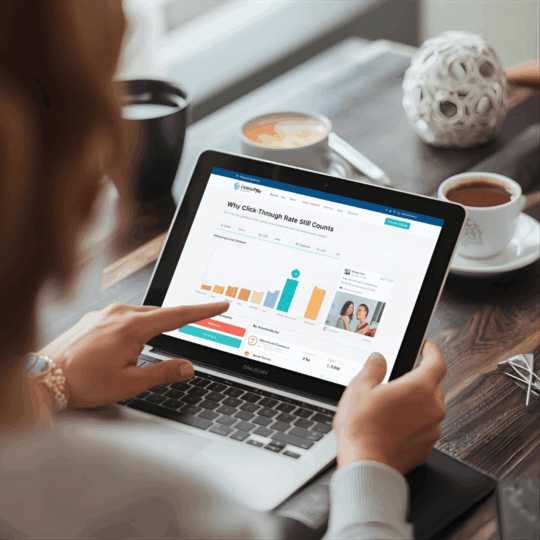
In an era where digital marketing metrics abound, the click-through rate (CTR) remains a vital indicator of campaign effectiveness. For brands in the baby, parenting, and family sectors, understanding CTR is not just about tracking clicks but about interpreting what those clicks reveal regarding audience engagement, message relevance, and overall campaign health. This article delves into why CTR continues to be a cornerstone metric in 2025 and how it can guide brands toward more meaningful connections with their audiences.
Click-through rate measures the percentage of people who see your ad, email, or social media post and then click on it to learn more or take action. It is calculated by dividing the total clicks by the total impressions and multiplying by 100. While seemingly straightforward, CTR offers deep insights into how compelling and relevant your content is to your target audience.
Despite the rise of newer metrics like return on ad spend (ROAS) and engagement time, CTR remains a clear, immediate signal of whether your creative and messaging resonate. A strong CTR suggests that your content has successfully captured attention and motivated users to engage further, which is particularly crucial in the family and parenting market where trust and relevance are paramount.
A high CTR indicates that your campaign is reaching the right people with the right message. For family brands, this means connecting with parents who are actively seeking solutions or information related to their children’s needs. Conversely, a low CTR often signals a disconnect, perhaps the messaging is off, the offer unclear, or the targeting too broad.
CTR sheds light on how well your headlines, visuals, and calls to action perform. In a cluttered digital space, parents respond best to authentic, helpful content that speaks directly to their concerns. Monitoring CTR helps identify which creative elements spark curiosity or trust, enabling continuous optimisation.
CTR acts as a diagnostic tool, revealing early signs of success or underperformance before conversions or sales data become available. This allows marketers to pivot or refine campaigns swiftly, ensuring budgets are spent efficiently.
Invest time in researching your audience’s preferences, pain points, and online behaviour. Tailor your content to address specific parenting stages or concerns, ensuring your ads and posts feel relevant and timely.
Craft headlines and calls to action that are direct and benefit-focused. For example, phrases like “Discover safe sleep solutions for your newborn” speak to parental priorities and encourage clicks.
Use authentic imagery and video content that reflect real family moments. Instagram Reels, carousel ads, and interactive formats often yield higher CTRs by engaging users more deeply.
Leverage A/B testing to experiment with different creatives, copy, and targeting options. Use CTR data to identify winning combinations and phase out underperforming elements.
While industry averages provide useful reference points, such as a 6.4% CTR for Google Ads or around 2.5% for Facebook lead generation campaigns, what constitutes a “good” CTR varies widely by platform, audience, and campaign goals. More important than chasing a universal number is aligning CTR targets with your specific objectives and customer journey stages.
Click-through rate remains a foundational metric that reveals much more than just the number of clicks. For baby, parenting, and family brands, CTR offers a window into audience engagement, message resonance, and campaign effectiveness. By interpreting CTR in context and using it to inform strategy, brands can create more meaningful connections with parents, optimise marketing spend, and ultimately drive better business outcomes. In the evolving digital landscape of 2025, CTR continues to be a reliable compass guiding brands toward authentic and impactful communication.

October 2025
Instagram’s algorithm in 2025 has evolved into a sophisticated system that prioritises meaningful engagement and original content over traditional vanity metrics like likes and follower counts. For brands in the baby, parenting, and family sectors, understanding these changes is crucial to crafting campaigns that not only reach but truly resonate with their target audience. This guide unpacks the latest algorithm updates and offers actionable insights to help brands adapt and thrive in this dynamic environment.
Instagram no longer measures success by likes alone. Instead, it focuses on shares, saves, and watch time, particularly for video content such as Reels. These “value-driven” engagements indicate that users find content meaningful enough to interact with beyond a simple tap. For family brands, this means creating content that parents want to save for reference or share with their networks, such as parenting tips, product tutorials, or heartfelt stories.
The 2025 update penalises reposted or duplicated content. Instagram’s AI actively promotes original content, rewarding brands that invest in unique storytelling and creative formats. For baby and family brands, this is an opportunity to showcase authentic moments, behind-the-scenes glimpses, and expert advice that cannot be found elsewhere.
Reels have become the primary vehicle for discovery, with Instagram testing content on non-followers to gauge interest. This means a well-crafted, engaging Reel can reach far beyond a brand’s existing followers, offering massive potential for organic growth. However, the first few seconds are critical , if the content doesn’t hook viewers immediately, it risks being buried.
Parents seek content that addresses their real-life challenges and aspirations. Brands that tell compelling stories , whether it’s a day in the life of a new parent, product demonstrations, or expert advice , will capture attention and encourage saves and shares. Educational and inspirational content tends to perform well, as it offers tangible value.
While short clips remain popular, Instagram now favours longer, story-driven Reels that maintain viewer attention beyond three seconds. This shift encourages brands to move away from flashy, superficial videos and towards more meaningful narratives that build trust and emotional connection.
Understanding your audience’s preferences through social listening and engagement analytics is more important than ever. Tracking which posts generate saves, shares, and comments can guide content strategy, helping brands refine their messaging to better serve parents’ needs.
Think beyond likes. Develop tutorials, checklists, or relatable parenting anecdotes that parents will want to return to or pass on to friends.
Craft strong hooks that spark curiosity or empathy immediately. Whether it’s a surprising fact, a question, or a heartfelt moment, the opening seconds determine if viewers stay or scroll.
Regular posting builds familiarity and trust. Authenticity resonates deeply with family audiences, so avoid overly polished content that may feel distant or staged.
Use Instagram’s Trial Reels feature to test content with non-followers before wider distribution. This allows data-driven decisions on what resonates most, minimising wasted effort.
The Instagram algorithm in 2025 rewards brands that prioritise originality, meaningful engagement, and authentic storytelling. For baby, parenting, and family brands, this means focusing on content that genuinely supports and inspires parents, encouraging shares and saves rather than chasing superficial likes. By embracing these insights and adapting strategies accordingly, brands can unlock greater reach, deeper connections, and sustained growth in an increasingly competitive social media landscape.

October 2025
In an era where digital communication is constantly evolving, Facebook has undergone a significant transformation. For family and baby brands looking to connect with modern parents and carers, relying on ‘likes’ alone is no longer enough. True value now lies in deeper insights, understanding how people feel, interact, and form lasting bonds with your brand. With over 3 billion users, including 91% of Baby Boomers, Facebook remains a vital space for nurturing relationships. But to thrive here, brands need to move beyond surface-level interactions and embrace a more sophisticated, strategic approach to measurement.
The traditional thumbs-up is no longer the best measure of brand health. Likes are passive and easy to give, but they don’t necessarily reflect how people truly connect with your content. A post might receive hundreds of likes, yet spark little conversation, sharing, or action.
Instead, meaningful engagement, comments, shares, saves, replies, tells a far richer story. These are the interactions that drive connection, loyalty, and word-of-mouth advocacy, all critical in the family and parenting space where trust and emotional resonance matter deeply.
This new measurement mindset places emphasis on:
Understanding these elements gives a clearer picture of brand impact and customer value.
The core analytics platform from Meta offers a comprehensive dashboard of performance metrics across both Facebook and Instagram. You’ll find detailed insights into reach, engagement, ad performance, and audience breakdowns, all in one place.
Tools like Sprout Social, Brand24, and Hootsuite provide centralised, visual reporting. These platforms allow you to:
By tagging your Facebook links, you can attribute website traffic and sales directly to your social efforts. This allows for a more complete understanding of how your campaigns contribute to broader business goals.
In a space where parenting decisions are deeply personal, successful brands prioritise authenticity. Create content that informs, reassures, and inspires, whether through relatable storytelling, expert advice, or engaging video.
Look beyond surface-level engagement to understand what really resonates. Pay attention to:
These behaviours speak volumes about how your audience feels and what they need.
Whether replying to a review or sharing a campaign video, consistency builds trust. Ensure your tone is warm, expert, and always aligned with your brand values.
Social data offers valuable insight, not just for marketing, but across product development, customer service, and leadership. Share insights with internal teams to shape future decisions.
Modern parents are discerning digital users. They want more than noise, they want value, empathy, and relevance. Understanding the changing Facebook landscape isn’t about chasing algorithms, but about deepening the relationship between brand and audience. With the right tools and a people-first approach, family and baby brands can use Facebook not just to broadcast, but to connect. And by measuring what truly matters, emotional resonance, quality engagement, and real-world outcomes, you can build a brand that thrives today, and lasts well into tomorrow.

October 2025
In today’s fast-evolving parenting and baby market, understanding what families want before they ask for it is the new competitive edge. With shifting consumer expectations, emerging technologies, and the influence of digital communities, brands in the family space must be both reactive and proactive. Predictive analytics offers the tools to anticipate trends, shape campaigns, and ultimately build deeper, more meaningful relationships with parents and caregivers.
At its core, predictive analytics blends past behaviours, real-time feedback, and advanced modelling to forecast what consumers are likely to do next. But in the parenting and baby sector, this goes far beyond click-through rates or cart abandonment stats, it’s about intuitively responding to the evolving needs, emotions, and values of modern families.
Parenting is personal, emotional, and often high-stakes. Brands that serve this space aren’t just selling products, they’re becoming part of daily routines, milestones, and challenges. Predictive analytics enables marketers to understand those touchpoints more intimately, offering timely, helpful solutions that resonate. From anticipating seasonal demand for baby travel gear to identifying spikes in conversations around eco-friendly nappies, these insights inform storytelling, product development and PR angles that are both practical and emotionally intelligent.
Where traditional analytics tell us what happened, predictive analytics asks: what will parents need next, and how can we deliver it before they ask?
For example, a brand might notice that engagement rates consistently rise after school holidays. By integrating those findings into future planning, campaigns can be timed to coincide with parents’ shifting routines. Likewise, if qualitative feedback reveals that parents are anxious about sleep safety, that insight can inform both product innovation and educational campaigns tailored to reassure.
The real power of predictive analytics comes when brands merge hard data with human insight. By integrating qualitative feedback, such as reviews, comments, and focus group discussions, with numerical trends, marketing teams gain a richer, more nuanced picture of what families actually want.
Social listening tools allow brands to monitor emotional sentiment, spot emerging concerns, and identify shifting values. For instance, a surge in conversations around screen time for toddlers might prompt a timely campaign on creative, tech-free play. When paired with web traffic or conversion data, these qualitative cues reveal not just what’s working, but why it’s working, or why something might be missing the mark.
Surveys, feedback forms and Q & A sessions provide a direct pipeline to the parenting audience. This isn’t just about asking what they like, it’s about understanding motivations, challenges, and unmet needs. By combining structured feedback with engagement metrics, brands can validate what matters most and evolve accordingly. A blend of quantitative results (like increased product sales) with qualitative input (e.g., “this really helped with bedtime routines”) offers the blueprint for better decisions and stronger returns.
Combining focus groups with digital tracking allows for a well-rounded view of consumer behaviour. One parenting brand, for example, combined post-event evaluations with behavioural analytics to refine its product messaging, leading to a 25% rise in satisfaction scores.
Tools like Power BI or Tableau can help teams visualise both numeric performance and emotional sentiment. Bringing these threads together not only supports informed decision-making but fosters a more collaborative internal culture, where content creators, strategists, and data teams speak the same language.
Modern families aren’t one-size-fits-all. AI-driven segmentation digs deeper than age or income, it uncovers shared values, buying motivations and lifestyle choices. By using AI tools to detect behavioural patterns and layering on qualitative insights from parent interviews or social sentiment, brands can speak directly to micro-audiences, whether that’s eco-conscious first-time parents or time-strapped working mums looking for quick, nutritious mealtime solutions.
A baby care brand noticed that demand for their organic skincare line spiked during colder months. But reviews also highlighted concerns about packaging during travel. By acting on both insights, they launched a limited-edition travel set ahead of the winter break, selling out within days and boosting positive sentiment across platforms.
When online discussions revealed growing parent concerns about baby monitor safety, a brand adjusted its messaging mid-campaign to focus on transparency and safety certifications. Conversion rates rose 12% in a fortnight, and the campaign received widespread media attention for its responsive approach.
Parents expressed confusion around developmental milestones in product reviews. After introducing expert-led digital guides tailored to different stages, engagement with the brand’s content tripled, and upsell conversions rose by 22%.
Understand the emotional context: Parenting decisions aren’t purely rational, they’re driven by care, safety, and values. Predictive insights must respect that emotional landscape.
Prioritise clarity and flexibility: Use dashboards and integrated data systems that allow for rapid pivots without losing sight of big-picture goals.
Invest in listening: Feedback should be a continuous process, not a one-off checkbox. The more attuned brands are to their audience’s lived experiences, the more valuable their predictive models become.
Predictive analytics isn’t about guessing the future, it’s about understanding the present deeply enough to make smart, human-centred decisions. For brands in the parenting and baby sector, this means listening more closely, responding more thoughtfully, and planning more effectively. By combining empathetic insight with robust data, marketing teams can create campaigns that don’t just follow trends, but set them, helping families feel understood, supported, and engaged every step of the way.

October 2025
In a world where parenting and family decisions are deeply rooted in emotion, the brands that connect on a heartfelt level stand out. Emotional engagement is no longer just a creative goal, it’s a strategic imperative. Whether you’re launching a new baby product, supporting new mums through transition, or building community around family milestones, how your audience feels about your brand plays a decisive role in long-term success. Yet for all its influence, emotional engagement remains notoriously difficult to quantify. How do you measure a parent’s sense of trust, reassurance or joy after interacting with your campaign? What’s the return on a well-told story, a comforting visual or a meaningful social interaction? Today’s PR and marketing teams are starting to answer those questions, using a combination of intuitive creativity and evolving technology to map the business value of emotional connection.
For parents, buying decisions are rarely made in a vacuum. Whether choosing a nappy brand, nursery furniture, or a family experience, the emotional landscape matters just as much as the practical features. Feelings of safety, identity, nostalgia and belonging all play into brand preference, often subconsciously. Emotional engagement captures this dynamic. It’s the bond formed when a campaign reflects a parent’s values, eases their worries, or mirrors their lived experiences. Over time, these emotional cues foster trust, deepen loyalty, and drive lasting advocacy.
Emotional responses are fluid, nuanced and highly individual. Unlike transactional metrics, such as click-through rates or product sales, emotions often drive long-term behaviours like brand preference, repeat purchases and referrals. These behaviours don’t always register immediately, making them harder to track using conventional analytics.
Fortunately, advancements in data science, neuromarketing and attribution modelling are making it possible to measure emotional impact with more precision. Brands can now track the emotional tone of social interactions, assess visual resonance through facial tracking, and map emotional touchpoints across the entire customer journey.
Metrics such as likes, shares and comments only scratch the surface. Time spent on a page, click patterns, and comment sentiment all offer deeper clues into emotional resonance. For example, a heartfelt Instagram reel that prompts parents to tag their partners may offer greater emotional ROI than a more widely shared but neutral post.
Using AI-driven tools, brands can gauge the emotional tone behind online conversations. Are parents feeling reassured? Inspired? Confused? This emotional context adds critical nuance to PR reporting, allowing campaign adjustments that speak more meaningfully to the audience’s mood.
Tools like Net Promoter Score (NPS), Customer Effort Score (CES), and post-interaction surveys help track how people feel about a brand over time. While not explicitly emotional in nature, these scores often reflect underlying emotional experiences, whether it’s the ease of a returns process or the warmth of a welcome email.
Capturing parent insights directly through interviews, polls or open-form responses helps reveal deeper emotional associations. Asking how a campaign made someone feel, or what they most remember, often uncovers the elements that influenced decision-making the most.
For more advanced campaigns, tools like facial coding, eye-tracking or fMRI scans can detect unconscious emotional reactions to visual stimuli. These techniques, while still emerging, offer brands a unique way to understand subconscious preference and emotional memory, key drivers in brand affinity.
Emotionally engaged customers are more than satisfied, they’re invested. In the parenting space, this often leads to brand evangelism: recommending products to friends, creating user-generated content, or becoming long-term brand advocates. These behaviours significantly reduce acquisition costs and extend customer lifetime value.
Story-led campaigns that evoke nostalgia, joy or empathy consistently outperform more transactional approaches. When parents feel seen, supported or uplifted, they’re more likely to purchase, and more importantly, return.
Strong emotional bonds help families stick with a brand, even when competitors emerge or prices fluctuate. Whether through personalised communication or consistent brand tone, emotional continuity creates a sense of stability, something particularly powerful in early parenthood.
Emotionally resonant experiences are more shareable. Parents are far more likely to recommend brands that made them feel understood or valued. This natural advocacy enhances PR efforts and deepens reach without increasing spend.
Whether through film, social media, or packaging, narratives that reflect real family dynamics cut through the noise. Focus on universal emotions, like relief, connection or celebration, and link them meaningfully to your product or message.
Parents engage with brands across multiple platforms, from late-night Instagram scrolls to in-store shelf decisions. Ensuring consistent emotional tone across touchpoints creates familiarity and trust, even before a purchase is made.
Use A/B testing not just for headlines or colours, but for tone and narrative. Explore how different emotional angles affect behaviour. For example, does an empowering message perform better than a nostalgic one with new mums?
Rather than treating emotional engagement as a by-product, build it into your strategy. Consider emotional goals alongside commercial KPIs. If your objective is to build trust, define what that looks like, whether it’s increased repeat visits or survey responses indicating confidence in your brand.
Emotional engagement may not fit neatly into a spreadsheet, but its impact is real, measurable, and deeply valuable. In the parenting and family market, where trust and empathy underpin every decision, emotional resonance can define a brand’s success. By combining intuitive storytelling with data-driven insight, brands can translate feelings into figures, driving growth, loyalty and meaningful relationships with families across every stage of life. Emotions might be intangible, but when approached strategically, their ROI is anything but.

October 2025
For family-focused brands, timing is everything. Parents don’t just want support, they need it to arrive at the right moment, in the right tone, and in the right format. Predictive analytics is opening up a new frontier for PR and marketing professionals, helping brands anticipate life changes, tailor messaging with greater sensitivity, and act ahead of consumer demand rather than after it.
By drawing on a wide range of data sources, predictive models help paint a fuller picture of emerging needs and preferences across the parenting journey. From pregnancy discovery to postnatal care and toddler milestones, this level of insight is shaping how brands show up, and stand out, in an increasingly competitive space.
One of the most transformative applications of predictive analytics is its ability to detect major life events before they’re publicly disclosed.
Retailers like Target famously developed models capable of predicting pregnancy based on subtle shifts in consumer purchasing, such as buying fragrance-free lotions, calcium supplements or larger quantities of cotton wool. These early indicators allow brands to engage parents at the very start of their journey, before they’ve even actively begun searching for baby-related products or advice.
This kind of early recognition enables brands to offer genuine value: introducing relevant products, supportive resources, and emotionally intelligent content when it’s most likely to be appreciated.
Predictive modelling doesn’t stop at identifying who to speak to, it also informs how, when and where to speak to them. By analysing patterns in previous campaigns, emerging product trends and shifting family behaviours, PR teams can identify which stories will resonate with which audiences. Whether it’s eco-conscious millennial parents or tech-savvy Gen Z mums-to-be, predictive analytics helps tailor both content and delivery to meet families where they are.
Hyper-personalisation can walk a fine line. Brands operating in the baby and parenting space must tread carefully to avoid making parents feel over-targeted or overly monitored. This is where thoughtful messaging, paired with transparent and ethical data practices, becomes essential. Parents respond best to brands that treat their data with care, brands that don’t just offer useful recommendations, but explain clearly how and why those suggestions are being made. A well-judged mix of targeted and general content helps maintain this balance. While predictive models can guide strategy, the execution must remain human, warm and respectful of emotional context.
Predictive PR is most effective when insights are drawn from across a family’s digital footprint. From social media sentiment to smart baby monitors and health-tracking apps, future campaigns will be shaped by a 360-degree understanding of family life.
For example, insights from baby sleep monitors like Nanit can highlight common bedtime struggles, informing content strategies for sleep-related products. Similarly, online conversations about weaning or colic can help identify rising concerns early, guiding brands to position helpful solutions just when parents need them most.
Predictive analytics also equips brands to think beyond individual campaigns. By analysing macro-level data, such as the growing emphasis on sustainability, demand for natural baby products, or rising interest in gender-neutral parenting, brands can adjust their positioning and product development long before competitors react. This foresight supports stronger storytelling, more cohesive long-term strategies, and more meaningful consumer relationships.
Anticipating key life stages like pregnancy, new parenthood or early childhood development allows brands to show up helpfully and consistently, building trust through relevance rather than intrusion.
From custom content to product recommendations that match real needs, predictive insights enable brands to speak to individual families rather than generic audiences. That personalisation translates into deeper engagement and stronger brand affinity.
Predictive analytics helps identify where to focus energy. Which platforms deliver the best ROI? What content themes will likely generate earned media? Where should a launch be timed to meet peak interest? These answers enable leaner, more effective campaigns.
When used responsibly, predictive tools signal that a brand is listening. By combining technical insight with genuine empathy, brands create communication that feels not only helpful but trustworthy.
With parenting culture, technology and consumer values all shifting rapidly, predictive analytics offers a vital edge, allowing brands to evolve ahead of the curve and lead the conversation rather than follow it.
Parents are especially protective when it comes to personal and family data. Any strategy involving predictive modelling must prioritise transparency, consent, and compliance with data regulations.
Algorithms provide probabilities, not certainties. Over-reliance on data models can lead to misfires if not tempered with real-world observation and human interpretation. The most successful brands pair data with empathy, and analytics with instinct.
Family life is personal, tender and often vulnerable. Messaging informed by predictive insights must still be crafted with compassion, avoiding any hint of exploitation or emotional pressure.
Predictive analytics is more than a technical advancement, it’s a chance for family and baby brands to become more attuned, more responsive, and more human in how they connect with their audiences. When applied with care, these tools help brands engage earlier, respond smarter, and support families in ways that feel truly meaningful. The goal isn’t to predict the future for the sake of performance metrics, it’s to meet parents where they are, with insight, understanding and genuine value. And in a world where families are bombarded with messages, the brands that will stand out are the ones that anticipate what matters, and act with both precision and empathy.

October 2025
Colour is one of the most powerful tools in brand design, especially within the baby and family sector where emotional connection and trust are paramount. In 2025, understanding the psychology of colour goes beyond aesthetics; it’s about creating meaningful experiences that resonate with parents and children alike. The right palette can evoke feelings of safety, warmth, and joy, guiding purchasing decisions and fostering brand loyalty. This article explores how baby and family brands can harness colour psychology to craft identities that speak directly to their audiences’ hearts and minds.
Parents seek reassurance when choosing products or services for their children. Colours like soft blues and gentle greens evoke calmness, reliability, and health, qualities that instil confidence. Blue, in particular, remains the most trusted colour, associated with security and dependability, making it a staple for baby brands focused on safety and wellbeing.
Bright, warm hues such as coral, golden yellow, and energetic magenta tap into feelings of optimism, happiness, and playfulness. These colours appeal to both children’s natural curiosity and parents’ desire to nurture joyful development. Incorporating these tones thoughtfully can make brands feel lively and approachable without overwhelming the senses.
Earthy, organic tones like muted browns, sage greens, and terracotta have gained prominence as families increasingly prioritise natural and sustainable choices. These colours suggest groundedness and environmental responsibility, aligning brand values with the growing eco-conscious mindset of modern parents.
Colour preferences and perceptions evolve with age. For infants and toddlers, simple, high-contrast colours like bold reds and blues help stimulate visual development. As children grow, more nuanced palettes with softer pastels or jewel tones can engage their expanding emotional and aesthetic sensibilities. Brands that adapt their colour strategies to these developmental stages create more relevant and engaging experiences.
The 2025 trend towards inclusivity encourages brands to move beyond traditional gendered colours. Soft vintage pinks like Transcendent Pink and versatile neutrals such as rose taupe or green clay appeal broadly, reflecting diverse family dynamics and promoting acceptance.
Maintaining a consistent colour scheme across packaging, digital platforms, and advertising reinforces brand identity and fosters familiarity. Parents, often juggling multiple responsibilities, rely on visual cues to quickly identify trusted brands. Sudden colour shifts can disrupt this recognition and even weaken emotional bonds.
Emerging AI technologies enable brands to implement dynamic colour schemes that adjust based on user preferences or moods, offering personalised experiences that deepen emotional engagement.
Combining vibrant colours with sophisticated neutrals like navy charcoal or golden sand creates visual interest while maintaining a sense of calm and reliability, an ideal balance for family brands.
Baby product manufacturers, family lifestyle brands, parenting content creators, and healthcare providers can all leverage colour psychology to solve the challenge of standing out in a crowded market. Thoughtful colour use helps these brands build trust, evoke positive emotions, and foster lasting connections with parents and children.
The psychology of colour is a vital element in designing compelling baby and family brands. By understanding how different hues influence emotions and behaviours, brands can create visual identities that not only attract attention but also nurture trust, joy, and authenticity. In a sector where emotional resonance is key, colour becomes a strategic asset, guiding parents’ choices and shaping lifelong relationships between families and the brands they cherish.
October 2025
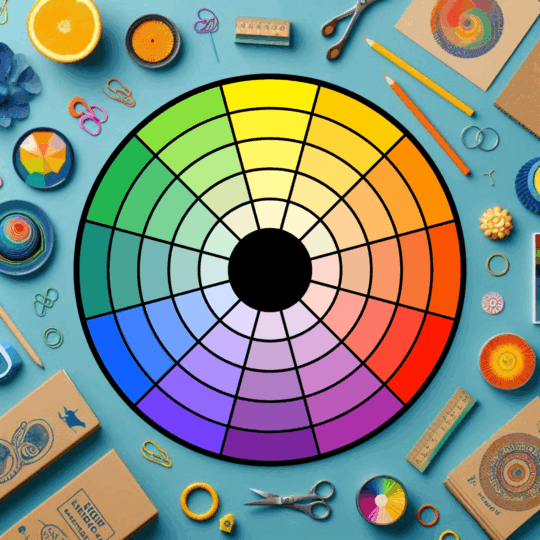
In a digital landscape where first impressions are often made in seconds, the colours a brand chooses to wear can speak louder than words. For parenting and family brands, where emotional resonance, trust and authenticity are essential, colour becomes more than just a visual detail, it’s a psychological touchpoint that can shape how a brand is perceived, remembered and trusted.
From the warmth of earthy tones to the confidence of cool blues, colour plays a central role in guiding how families connect with the brands they welcome into their lives. Understanding the emotional and behavioural impact of colour allows brands to craft more than just aesthetics, they create experiences that speak directly to their audience’s values, needs and desires.
As digital competition grows and visual content dominates marketing, brands must work harder to capture attention and build lasting emotional connections. Colour has emerged as one of the most influential tools in this effort, shaping consumer perception before a single word is spoken. A brand’s identity needs to work smoothly across different platforms and devices while still feeling consistent and trustworthy. Colour plays a vital role in creating that connection. This is especially important for family‑focused brands, where a warm look and clear emotional cues help build trust and engagement.
It takes just 90 seconds for someone to form a subconscious opinion of a brand, and up to 85% of that impression is based on colour alone. Colour can improve brand recognition by as much as 80%, offering a powerful shortcut to familiarity, trust and preference.
For parenting audiences in particular, where purchases are often rooted in emotional or lifestyle decisions rather than impulse, colour has the power to quietly reassure, inspire confidence and reinforce values.
Red evokes passion, intensity and drive. For parenting brands, it can signal action, ideal for calls-to-action or spotlighting products that promote active lifestyles or immediate needs.
Often associated with safety, reliability and peace of mind, blue remains a dominant choice in sectors where trust is vital. For baby monitors, health products or anything promising reassurance, blue offers psychological comfort.
A favourite among eco-conscious families, green connects with ideas of growth, calm and wellness. It’s especially powerful for organic or sustainable brands aiming to align with modern parenting values.
Bright and playful, yellow taps into feelings of happiness and youthfulness. Though its intensity can be divisive, when used in moderation it evokes energy and friendliness, especially suitable for early childhood brands.
Natural, muted shades speak to groundedness and sincerity. These tones are increasingly favoured by brands embracing transparency, sustainability and a back-to-basics approach to family life.
Colour preferences don’t exist in a vacuum. For instance, while blue is a universal favourite in the UK, other tones may carry differing associations across regions or generations. Gen Z, in particular, tends to gravitate toward unique, personalised palettes and bold combinations, adding complexity to colour decisions.
Half of consumers have chosen one brand over another purely based on colour. Among millennial and Gen Z parents, this is even more pronounced, as visual identity plays a key role in brand trust.
Whether across packaging, social media, or email marketing, a consistent colour scheme reinforces your brand’s voice and values. In parenting PR, where familiarity and dependability influence purchasing decisions, colour cohesion can offer the reassurance consumers subconsciously seek.
From sage green to terracotta, muted natural hues reflect a growing consumer demand for authenticity, wellness, and environmental responsibility. These palettes resonate particularly well with modern families prioritising health, nature and simplicity.
Some brands are now experimenting with dynamic colour schemes that respond to user preferences or emotional tone, creating more personalised, emotionally intelligent experiences.
Photography and branded visuals play a key role in reinforcing a colour strategy. For example, a brand promoting eco-friendly nappies might use natural light, recycled props and earthy tones to echo its values. In contrast, a high-tech parenting gadget might favour sharp contrast, metallic shades and digital blues.
Start by identifying the emotional landscape you want your brand to occupy, comfort, playfulness, safety, innovation, and build your palette from there.
Cultural associations, personal preferences and generational traits all impact how colour is received. Use market research to uncover what your target parents respond to most strongly.
From logos and websites to packaging and social content, visual consistency builds confidence. When parents see familiar tones across every interaction, it reinforces reliability and trust.
Your colour palette should reflect your brand story visually. A business rooted in holistic parenting should feel grounded and calming. A brand focused on tech-forward family solutions might use cool, minimalistic tones.
An expert eye can make all the difference in translating brand emotion into colour. Designers with experience in parenting and lifestyle branding can help strike the right balance between trend, impact and relevance.
Colour is no longer just a design decision, it’s a strategic tool that shapes how families experience, remember and trust a brand. For parenting and family-focused businesses, the right colour palette does more than attract attention; it reassures, inspires and builds long-lasting emotional connection. Whether you’re designing a product, refreshing a website, or planning a PR campaign, thoughtful colour choices ensure your brand speaks the right emotional language from the very first glance.

October 2025
In a world where data dominates decision-making, the challenge for modern marketing and PR teams isn’t collecting information, it’s interpreting it in a way that reveals what truly matters to their audience. Behind every graph, click and conversion lies a story that raw numbers alone can’t fully tell. This is where integrating qualitative feedback into quantitative metrics becomes a powerful tool, particularly for brands operating in the emotionally charged and deeply personal parenting, baby and family space.
When handled well, this approach doesn’t just reveal what consumers are doing, it explains why they’re doing it. That distinction can shape more empathetic messaging, more intuitive products, and more human-centred campaigns.
Quantitative metrics are vital, they track reach, conversions, impressions, and performance benchmarks. But they don’t capture tone, nuance or personal experience. By layering qualitative insights, collected through interviews, open-ended surveys or social media listening, brands gain a more complete view of their audience: not just how they behave, but how they think and feel.
For example, a drop in email engagement might show up in click-through rates (quantitative), but the underlying cause could be uncovered through customer feedback pointing to irrelevant content or an overly formal tone (qualitative). Without both, you’re only seeing half the picture.
When qualitative themes align with quantitative outcomes, your strategy is reinforced. When they diverge, there’s an opportunity to dig deeper. This cross-validation encourages smarter, more agile adjustments and removes the guesswork from decision-making. A family brand might notice high traffic to a product page but low conversions. Digging into customer reviews or conducting short interviews may reveal confusion around product sizing or features. By adjusting the page based on that feedback, the conversion rate can be improved, guided by evidence on both sides.
Marketing decisions grounded in data are more defensible, but when they’re also emotionally attuned, they become more effective. Integrated data allows teams to develop strategies that are at once logically sound and emotionally resonant, especially important when speaking to parents who are making careful, often emotionally driven decisions.
Blending live data with qualitative insights supports responsive marketing. This enables brands to adjust tone, messaging or offers quickly, especially useful during sensitive moments such as recalls, social crises or rapid shifts in consumer mood.
Different types of research designs allow teams to approach integration in ways that best suit their needs and timeline:
Start with qualitative discovery, such as parent focus groups, then develop a broader survey to measure the prevalence of key insights across a larger sample.
Begin with quantitative patterns, such as a decline in newsletter signups, and then conduct qualitative follow-ups to uncover the reasons behind that behaviour.
Collect both types of data simultaneously, allowing for a comprehensive, side-by-side comparison of what people do and what they say about it.
Include open-text feedback fields in surveys or embed short polls in longer qualitative interviews. This approach enriches even the most structured datasets with depth and personal nuance.
Platforms like Power BI and Tableau can help present integrated data in a format that is easy for cross-functional teams to understand. Imagine a dashboard that shows both the click-through rate on a baby skincare campaign and the key phrases that parents used when talking about skin sensitivities, both seen in the same frame. Suddenly, the story becomes much clearer, and the next steps more obvious.
Integration shouldn’t be a one-off effort. Establishing ongoing feedback cycles, where qualitative insights inform survey updates and quantitative trends trigger further investigation, ensures your strategy remains relevant, responsive and evidence-driven over time.
Data becomes exponentially more powerful when interpreted collaboratively. Analysts, marketers and PR professionals bring different perspectives to the table. When they work together to connect dots between behaviour and sentiment, richer, more holistic strategies emerge.
In practice, integration has far-reaching value for family-focused brands: A lull in nursery product sales prompts a brand to collect feedback through customer interviews, revealing confusion around age-appropriate usage. The insight leads to clearer product labelling and an increase in conversions. During a campaign to promote reusable nappies, PR teams notice strong quantitative engagement but mixed sentiment in social comments. By combining these insights, messaging is updated to focus more on convenience and comfort, leading to stronger brand advocacy. In both examples, combining data streams turns guesswork into confident, people-first decision-making.
In a marketing and PR climate where families crave trust, authenticity and connection, simply measuring clicks and conversions isn’t enough. By bringing together the emotional clarity of qualitative feedback with the precision of quantitative data, brands can create strategies that speak both to the heart and to the head. For baby, parenting and family brands, this approach unlocks a more meaningful connection with audiences, one that respects the human experience while remaining guided by evidence. It helps teams make better decisions, tell richer stories, and build brands that feel as thoughtful as they are strategic. Because behind every data point is a real person. And the brands that win their trust are the ones that take the time to listen, and learn, from both sides of the story.

September 2025

In the fast-paced world of digital marketing, it’s easy to assume that bigger means better. But when it comes to building trust with modern families, particularly in the parenting space, it’s often the quieter voices making the most meaningful impact. Micro-influencers, those with a modest but highly engaged following, are emerging as the real powerhouses of authentic brand promotion. These creators aren’t broadcasting from a pedestal; they’re connecting from the kitchen table, the school run, or the bedtime routine, places where real family life happens. For family-focused brands, this proximity and relatability is proving not just powerful, but essential.
Micro-influencers typically have between 10,000 to 100,000 followers, but it’s not about the size, it’s about the strength of the relationship. Their content often feels spontaneous and personal, with posts grounded in daily routines and honest reflections. Unlike celebrity endorsements, which can appear polished and transactional, micro-influencers offer a kind of peer-to-peer credibility. Their followers see them as relatable and trustworthy, not aspirational or distant. In the parenting sphere, where decisions often involve emotional and practical concerns, this kind of sincerity holds real weight. Parents are far more likely to respond to a heartfelt review from someone who feels like them, juggling family life, sharing tips, and giving genuine recommendations, than a glossy promotion from a distant public figure.
Where larger influencers may struggle to maintain personal connections with their followers, micro-influencers thrive. Studies show that engagement rates often decrease as follower counts rise, making micro-influencers more effective for meaningful interaction. Influencers with just a few thousand followers often enjoy comments, questions, and shares that are far more targeted and responsive than those from larger accounts. This two-way conversation builds trust, loyalty and action, the golden trio for any brand looking to convert awareness into real-world impact. For family brands, it means your product is being discussed in detail, questions are answered, and genuine conversations are unfolding in the comments. That’s not just marketing, it’s community-building.
Micro-influencers offer a level of affordability that makes them particularly attractive for startups and SME brands. Without the hefty fees of celebrity endorsements, brands can build high-impact campaigns at a fraction of the cost. This affordability often allows for partnerships with multiple influencers across different demographics, maximising reach without compromising authenticity.
Micro-influencers are often deeply embedded within specific communities. Whether it’s parenting, toddler nutrition, eco-conscious living or school holiday hacks, their content speaks directly to a defined group of followers. For brands with a focused offering, such as family-friendly kitchenware or educational apps, this niche access is invaluable. Audiences trust that the influencer genuinely uses and understands the product, and the recommendation comes with built-in context. A single post from the right micro-influencer can often outperform a broad-spectrum campaign from a more recognisable name, simply because it’s deeply relevant to the people who matter most.
One of the standout strengths of micro-influencers is their ability to weave products naturally into their content. Consider campaigns like the one for T-Fal, where family influencers were invited to review a non-stick pan in the lead-up to Pancake Day. The resulting content included gluten-free recipes, fun pancake designs for children, and family mealtime stories, all of which felt authentic, useful, and shareable. This ability to humanise a product through lived experience makes micro-influencers especially valuable in the parenting space. Whether they’re packing lunches, tackling messy play, or trialling bedtime routines, they speak the language of everyday families.
Brands that approach influencer marketing as a partnership, not a one-off promotion, see the most success. Treating micro-influencers as creative collaborators fosters a sense of mutual respect and shared purpose. Allowing them the freedom to craft content in their own voice preserves authenticity and ensures the message resonates with their audience. Over time, these relationships grow stronger, with influencers often becoming genuine ambassadors who champion the brand even beyond the terms of a campaign.
Micro-influencers know their audience better than anyone. They understand what types of content resonate, what language connects, and what concerns matter most. Rather than prescribing every detail, brands should work collaboratively, trusting influencers to adapt messages to suit their tone and style. This collaborative approach yields higher-quality content, deeper engagement, and a more natural integration of the brand into the influencer’s world.
In an industry often dazzled by reach and recognition, micro-influencers offer something far more valuable, real relationships with real people. For family brands, where authenticity, empathy and trust are non-negotiable, these creators are uniquely positioned to connect with audiences on a deeply human level. They don’t just promote products, they live them, share them, and invite their community to do the same. In that sense, micro-influencers aren’t just an alternative to big-name endorsements. They are a smarter, more sustainable, and more meaningful way to tell your brand story, one post, one comment, one conversation at a time.
September 2025

In a world where attention is fleeting and trust is hard-won, brands operating in the parenting space need more than just exposure, they need connection. Influencer marketing has become a go-to strategy for family-focused brands, but not all campaigns are created equal. When weighing the merits of long-term collaborations against one-off campaigns, it becomes clear that deeper, more enduring partnerships consistently outperform single engagements in terms of credibility, conversion and consumer loyalty.
Parenting influencers occupy a unique space in the digital ecosystem, more than just content creators, they are trusted peers in the eyes of their followers. For brands, nurturing this trust isn’t something that happens overnight.
One of the greatest strengths of long-term influencer relationships is the depth of interaction. Especially with micro-influencers, who tend to maintain a tight-knit community, longer partnerships allow for more meaningful conversations, more comments, and more questions answered. This continuous dialogue between influencer and audience often leads to higher conversion rates, as recommendations don’t feel rushed or rehearsed. Over time, these influencers evolve from casual promoters to passionate brand advocates, representing the brand across channels and campaigns, even outside of paid work.
When a brand invests in a long-term collaboration, they gain more than just exposure, they gain understanding. Working together over time builds mutual familiarity, allowing for smoother workflows, stronger creative alignment and better campaign outcomes. Influencers gain confidence in presenting the brand authentically, while brands learn how to brief more effectively, provide relevant assets, and give creative room to breathe. Long-term partners often have greater scope for testing different content formats, tone variations and timing, creating space to refine what really works with the audience. For brands with multiple product lines or evolving messaging, ambassador programmes offer a flexible yet consistent way to keep content varied while still rooted in a single voice.
Long-term collaborations signal stability, commitment and shared values, all of which matter deeply to family-focused audiences. When a parenting influencer is visibly aligned with a brand over a period, it reinforces the idea that the brand is reliable, trustworthy and aligned with the influencer’s beliefs. Much like traditional celebrity endorsements, long-term partnerships carry a sense of prestige and exclusivity that one-off campaigns rarely achieve. While spontaneous, unpaid mentions from influencers can boost credibility, an ongoing disclosed relationship, clearly labelled, can demonstrate mutual respect and real connection.
One-off campaigns can deliver short-term buzz, but they often fail to cultivate lasting value. A single post might generate sales, but it doesn’t give audiences the chance to see the product in different contexts or build familiarity with its benefits. Without repeated exposure, messages can feel fleeting, consumers may remember the influencer but not the brand. Spreading budget across multiple influencers for quick, disconnected posts often dilutes the overall impact, especially when followers are bombarded with recommendations from different brands in the same category.
That said, one-off campaigns aren’t without merit. They can be useful for product launches, time-sensitive promotions, or revitalising a campaign that’s stalled. In some fast-moving categories like beauty or fashion, where influencers often share multi-brand content, single posts can function well as part of a larger brand awareness strategy. But in the parenting sector, where trust, care and consistency are critical, quick wins are rarely enough.
In the parenting space, where audiences crave honesty, reliability and human connection, long-term influencer collaborations offer the greatest opportunity for sustainable success. They allow brands to grow not just awareness, but trust, something that is earned slowly and lost quickly.
While one-off campaigns may deliver quick impressions, it’s the long-term partnerships that build brand love, fuel genuine advocacy, and create content that resonates well beyond a single post. For brands serious about making a meaningful impact in the lives of modern families, investing in long-term relationships is not just more ethical, it’s more effective.

August 2025
Modern audiences are savvy. Traditional, hard‑sell advertising no longer lands the way it once did. Instead, brands must prioritise connection over conversion and embrace approaches to public relations that feel sincere, seamless and, above all, natural. In the parenting and family space, this matters even more. Parents and carers are bombarded with advice, products and promises every day, so standing out means offering genuine value and showing that you truly understand their world. A natural PR strategy goes beyond simply promoting a product; it builds relationships, creates trust and positions your brand as a supportive presence in the lives of families.
Audiences today are more informed, more connected, and more discerning than ever before. Parents especially value transparency and integrity, qualities that can’t be faked. If a brand comes across as overly sales-focused or disingenuous, trust is immediately lost. A natural PR strategy focuses on understanding your audience’s real needs, then aligning your brand with their values and lifestyle. Done well, it doesn’t just make you visible, it makes you memorable.
For baby and family brands, the goal isn’t just to sell products, it’s to support people through meaningful stages of life. From first-time parents to seasoned carers, your audience is looking for solutions they can trust. A PR strategy grounded in empathy and authenticity helps you become that go-to resource.
A thoughtful PR approach blends creativity, strategy and relevance. Below are the key elements we recommend for building a PR strategy that feels natural and people-first.
Infographics are perfect for simplifying complex ideas, whether it’s baby safety statistics or step-by-step guides for new parents. Eye-catching visuals ensure your content is understood and remembered.
Avoid over-reliance on stock imagery. Real photography, whether it’s behind-the-scenes brand moments or everyday family life, connects on a human level. User-generated content (UGC), such as customer testimonials and shared photos, adds layers of trust and relatability.
Video is the most engaging content format online. Quick clips showing your product in use, expert tips from professionals, or real stories from your community are all brilliant ways to communicate authenticity with warmth and clarity.
For parenting audiences, emotional connection is everything. Stories about sleep struggles, messy mealtimes or milestone moments don’t just sell, they connect. Focus on creating content that says: “We understand what you’re going through.”
Position your brand as a credible source by sharing expert advice, original research or behind-the-scenes insights. This builds trust and authority without ever needing to “push” your message.
Turn a single blog into a series of reels, an infographic, or a downloadable guide. This allows you to meet your audience where they are, offering helpful, engaging content in formats they already love.
From local radio interviews to national TV features and family podcasts, broadcast PR creates instant trust and wide exposure. This channel is especially powerful for brand founders and spokespeople, who can convey passion and values in a personal, compelling way.
Consistency is key. Use your social platforms to show behind-the-scenes glimpses, celebrate your customers, and share real-time updates. Make your profiles feel like communities, not billboards.
When it’s authentic, influencer marketing can be one of the most impactful tools available. Partner with trusted parenting voices whose audiences genuinely align with your own. Their endorsement can move the needle in ways traditional PR can’t, as long as it’s rooted in shared values and creative freedom.
Events, whether online or in-person, offer unparalleled chances to build real connections.
From parenting expos to intimate product launches, events allow you to showcase your brand’s personality and values up close. They also generate valuable content and social buzz that can fuel your PR long after the event is over.
Workshops, panel talks and family-friendly pop-ups build brand awareness and create meaningful touchpoints with your community. These settings foster two-way conversations, helping you listen, learn, and adapt.
Winning industry awards offers far more than a trophy; it delivers third-party validation that reinforces trust. Especially in the parenting sector, where every recommendation counts, awards signal that your brand has been tried, tested and recognised for excellence. Internally, awards also boost team morale and help solidify your brand vision, providing a strong foundation for future PR efforts.
To keep your strategy natural and effective, it’s essential to track its performance and evolve your strategy based on insight, not assumption.
Social listening platforms, audience analytics, and influencer monitoring tools all provide real-time feedback on how your brand is perceived. Use this data to refine your tone, channels and messaging, ensuring you stay natural, relevant and audience-first.
In today’s noisy media world, the brands that rise above are not necessarily the loudest; they are the most genuine. A natural PR strategy, rooted in storytelling, visuals, community and credibility, delivers impact that goes far beyond a single campaign. It helps parenting and family brands build trust that lasts, support people through key moments and establish a presence that feels both authentic and memorable. By focusing on real connections rather than pushy sales tactics, you create a brand story that parents want to welcome into their lives and keep there.

August 2025
Running a PR campaign without tracking its impact is a little like investing in a product without ever checking if it works. With budgets under scrutiny and audiences demanding relevance, the stakes are higher than ever. Every press release, partnership, and piece of content needs to earn its place. That’s where PR measurement steps in, giving you a clear view of what’s resonating, what’s underperforming, and where your efforts are delivering genuine value.
For brands in the parenting and family space, this isn’t just a numbers game. It’s about understanding what matters most to parents and carers, then using data to make your communications sharper, more empathetic, and far more effective. When you measure the right things, you don’t just prove your PR is working, you improve it with every campaign.
PR has always played a vital role in shaping perception and securing media visibility. But in the digital age, it’s no longer enough to focus solely on reach. Brands are under increasing pressure to prove value, demonstrate ROI, and ensure every piece of communication serves a strategic purpose. PR measurement answers that call, transforming awareness into accountability.
One of the greatest advantages of digital PR is its measurability. Unlike traditional campaigns that relied on estimated readerships or circulation numbers, digital campaigns provide live data, offering visibility into what’s working and what’s not. Whether it’s understanding which piece of content led to the most engagement or identifying which media outlet drove the highest referral traffic, measurement empowers brands to focus efforts where they count.
Key performance indicators (KPIs) help you gauge not just visibility, but resonance and impact. These include:
For event-led campaigns, measurement extends further, capturing attendee numbers, engagement during live moments, and audience feedback post-event.
PR measurement isn’t just about looking back, it’s about using insights to shape what’s next. By identifying which messages land, which platforms perform best, and which audiences are most responsive, you can refine your future strategy. Rather than relying on guesswork or dated assumptions, brands can adapt messaging, reposition their offers, or shift their content formats to match real-world needs. It’s a highly responsive, data-led approach that puts people, your audience, at the heart of every campaign.
Return on investment is a concern for every brand, particularly those navigating tighter budgets and increased scrutiny. PR measurement enables you to link your outputs to outcomes. Whether it’s a spike in web traffic following influencer outreach or increased product sales after a media feature, being able to prove value is crucial to ongoing success. For many parenting brands, this transparency builds trust internally and externally. It shows stakeholders, partners and even customers that your communication efforts are intentional, strategic, and worth backing.
The communications landscape is always shifting; what worked yesterday might not resonate tomorrow. PR measurement provides the agility brands need to stay relevant. If a campaign isn’t landing as expected, measurement tools allow you to adjust in real-time rather than watching valuable opportunities pass by.
Analytics and social listening platforms allow brands to stay attuned to public conversations and emerging trends. They offer an early-warning system when sentiment changes and help you spot emerging opportunities to engage with your audience more meaningfully.
Data helps you understand your audience on a deeper level- how they think, what they care about, and how they prefer to engage. For brands operating in the parenting and family space, this insight is especially vital. Parents are thoughtful and selective; they’re more likely to align with brands that demonstrate empathy, relevance and real-world understanding. PR measurement helps you develop content and campaigns that reflect their experiences, challenges, and values, strengthening trust and emotional connection. By shaping your communications around what matters to your audience, you become more than a brand. You become a trusted voice in their daily lives.
When brands capture and analyse campaign performance data, they unlock powerful insights that inform future planning. The benefits go well beyond PR and include predicting which topics are likely to generate buzz, identifying new market opportunities or potential collaborations. This knowledge helps refine your wider marketing strategy and can even guide product development. If certain themes or pain points continually surface in your campaign data, it may point towards gaps in your offering or new services to explore. Measurement encourages a culture of reflection, refinement and forward-thinking, ensuring your brand doesn’t just react to the market, but helps shape it.
In today’s complex communications climate, PR measurement isn’t just useful, it’s essential. It empowers brands to be accountable, informed and agile, providing the insight needed to connect meaningfully with modern audiences. For parenting and family-focused businesses in particular, it ensures that campaigns are built on relevance and trust, not assumptions. By embracing a people-first, data-informed approach, brands can create more authentic relationships, optimise every interaction, and drive lasting results. If you’re ready to understand your impact, refine your strategy, and lead with confidence, we’re here to help you unlock the full potential of PR measurement.